
E-mail: [email protected] Tel.: (+34) 637 533 271 Website: www.airelibrecadiz.es
TOURIST INFORMATION FOR MEDINA SIDONIA
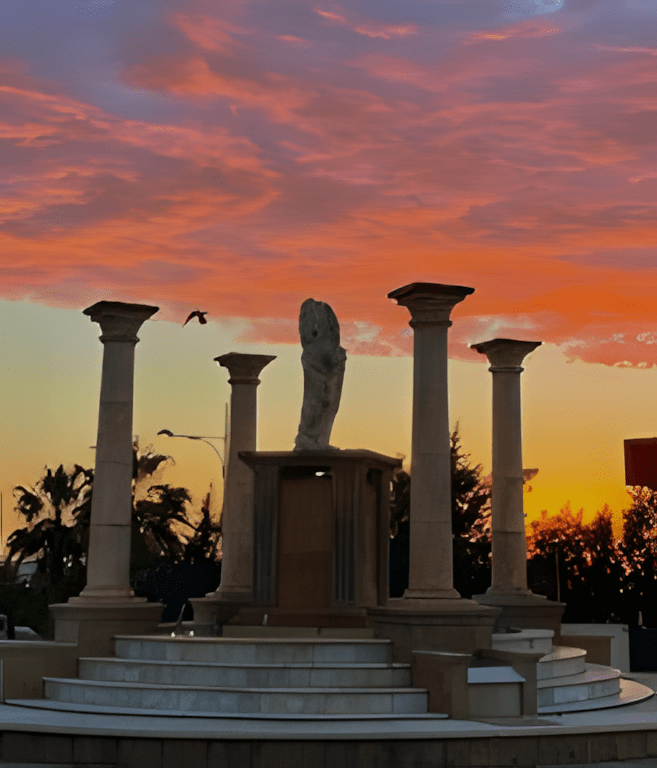
We are delighted to present you this booklet describing Medina Sidonia. This document is designed to offer a clear, thorough, and up-to-date overview of the main heritage and cultural resources of our municipality.
Medina Sidonia, renowned for its exceptional historical value and unique urban identity, is one of the most important destinations in the province of Cádiz.
These pages contain a selection of interesting facts, suggested itineraries, and useful information to help you plan your stay, activities, and tours around the city.
We appreciate your interest and we truly believe that the information presented below will lead you to an unforgettable experience.
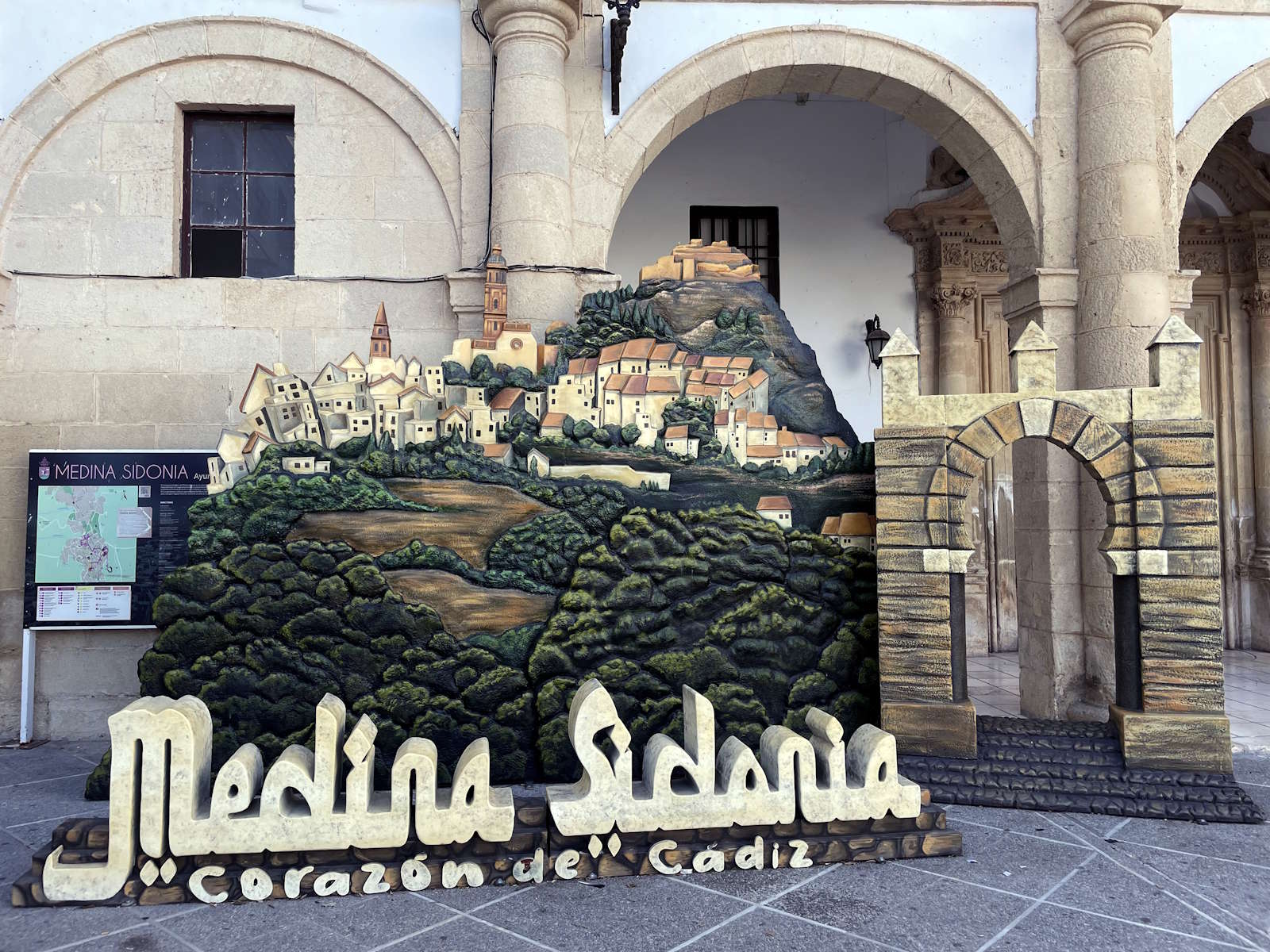
Medina Sidonia is one of the most emblematic municipalities in the province of Cádiz, located within the La Janda region, between the coast and the inland, almost in the center of the province.
The main town sits atop a promontory 337 meters above sea level, overlooking the region and the bay. The municipality covers an area of 487.15 km², making it the third largest in the province.
According to data from the Institute of Statistics and Cartography of Andalusia, Medina Sidonia had 12,000 inhabitants in 2024, spread between the main town and the outlying villages of San José de Malcocinado and Los Badalejos. Medina Sidonia is one of the oldest settlements in the province of Cádiz, with more than 3,000 years of history. The municipality was founded by the Phoenicians upon an earlier Tartessian settlement, and evidence of human presence in the area dates back to prehistoric times.
In Roman times, the city used to be a mere colony named Asido Caesarina, which then reached a period of significant urban development in the 1st century. To this day, remains of a military castellum, sections of passable sewers, and paved streets can be found around town.
Around the 6th century, Medina Sidonia ended occupied by the Byzantines, and subsequently by the Visigoths, who established the seat of the Bishopric of Medina Sidonia there.
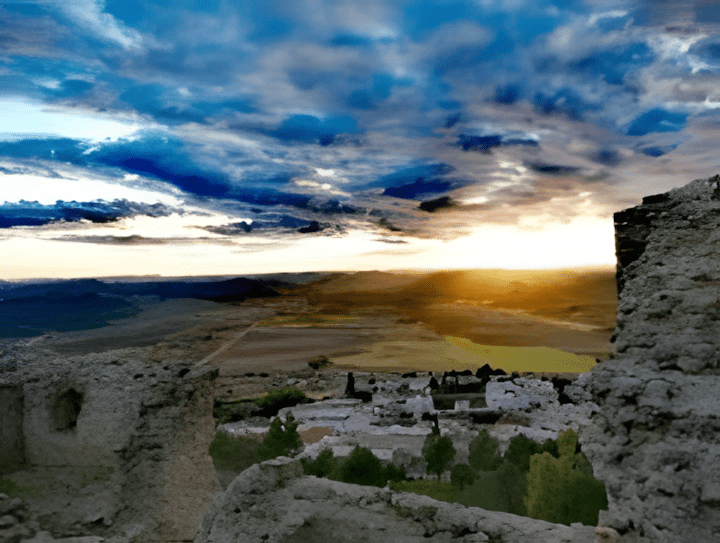
During the Islamic Golden Age, the municipality flourished as the capital of the Cora de Saduna, with the construction of various wall fortifications, which, thanks to some tinkering, have remained throughout the Middle Ages.
Conquered by Alfonso X of Castile in 1264, the old capital amassed a significant collection of documents, now preserved in its Municipal Archive.
In 1440, Medina Sidonia was handed down to the lordship of the House of Guzmán, who became Duchy of Medina Sidonia five years later, which lead the city to experience another period of social and urban prosperity. Notable events from the 19th and 20th centuries include the occupation by Napoleonic troops between 1810 and 1812 as a rearguard during the siege of Cádiz, its proclamation as an independent canton in 1873, and the events of Casas Viejas, a village then belonging to Medina Sidonia, between January 10th and 12th, 1933.
The Roman archaeological site of Medina Sidonia offers a deep dive into the life of Asido Caesarina, an influential Roman colony that reached its pinnacle from the 1st century AD onwards. Excavations carried out in the late 20th and early 21st centuries revealed sophisticated urban planning and remarkable civil engineering.
The complex is notable for:
Cryptoportics: Four monumental, vaulted sandstone structures. These underground galleries, one of which is intact, functioned as artificial terraces to overcome the uneven terrain and support large buildings above, possibly serving as warehouses or stables.
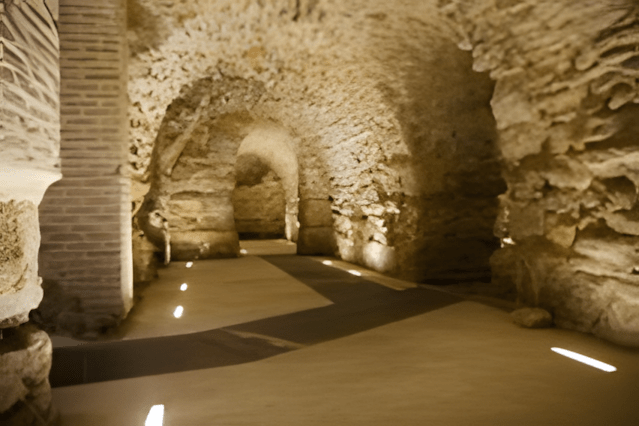
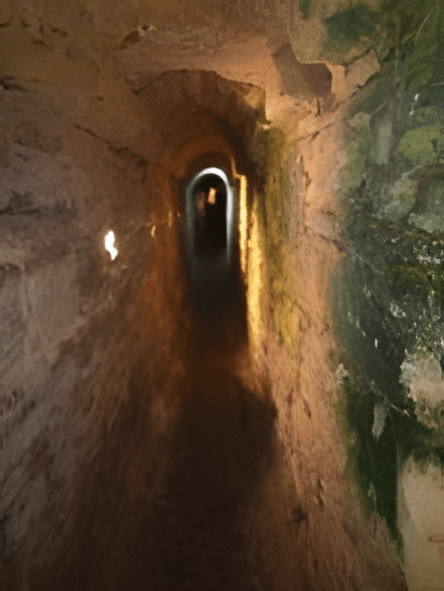
Roman Sewers: The initial 1967 discovery unearthed two sections of walkable sewers, with perfectly constructed ashlar walls and vaults. These impressive structures, which allowed access for regular cleaning, demonstrate the advanced sewer system of the ancient city.
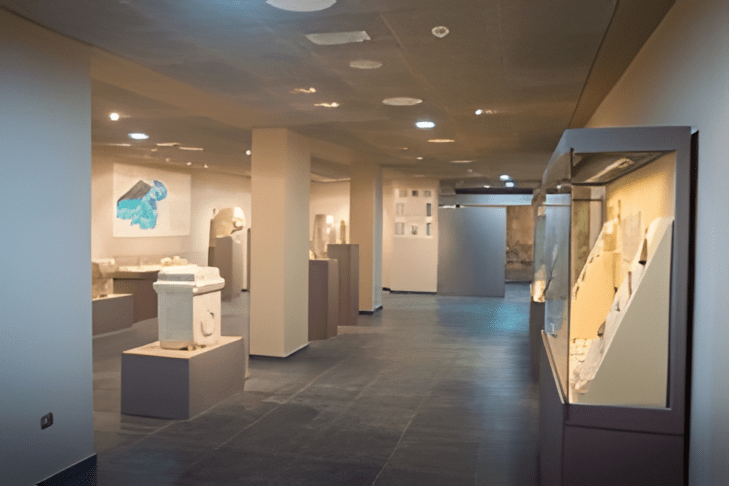
Archaeological Museum: Inaugurated since 2013, the museum complements the visit by housing, classifying and exhibiting a rich collection of archaeological and numismatic material, covering a wide time frame from Prehistory to the 19th century.
Roman Road: A section of the main road (cardo maximus) was found in 1997 four meters below the current street level. This five-meter-wide road, paved with large stone slabs and flanked by sidewalks, was wide enough for two vehicles to pass simultaneously. A sewer ran beneath the central paving. Even game boards engraved on the sidewalks are preserved.
The road can be visited daily at 1:45 p.m. at the Archaeological Museum.
LOCATION: Calle Ortega
OPENING HOURS:
Monday to Wednesday: 10:00 AM – 2:00 PM
Thursday to Sunday: 10:00 AM – 2:00 PM and 4:30 PM – 6:30 PM
Price: €3.50 – Free for children under 12
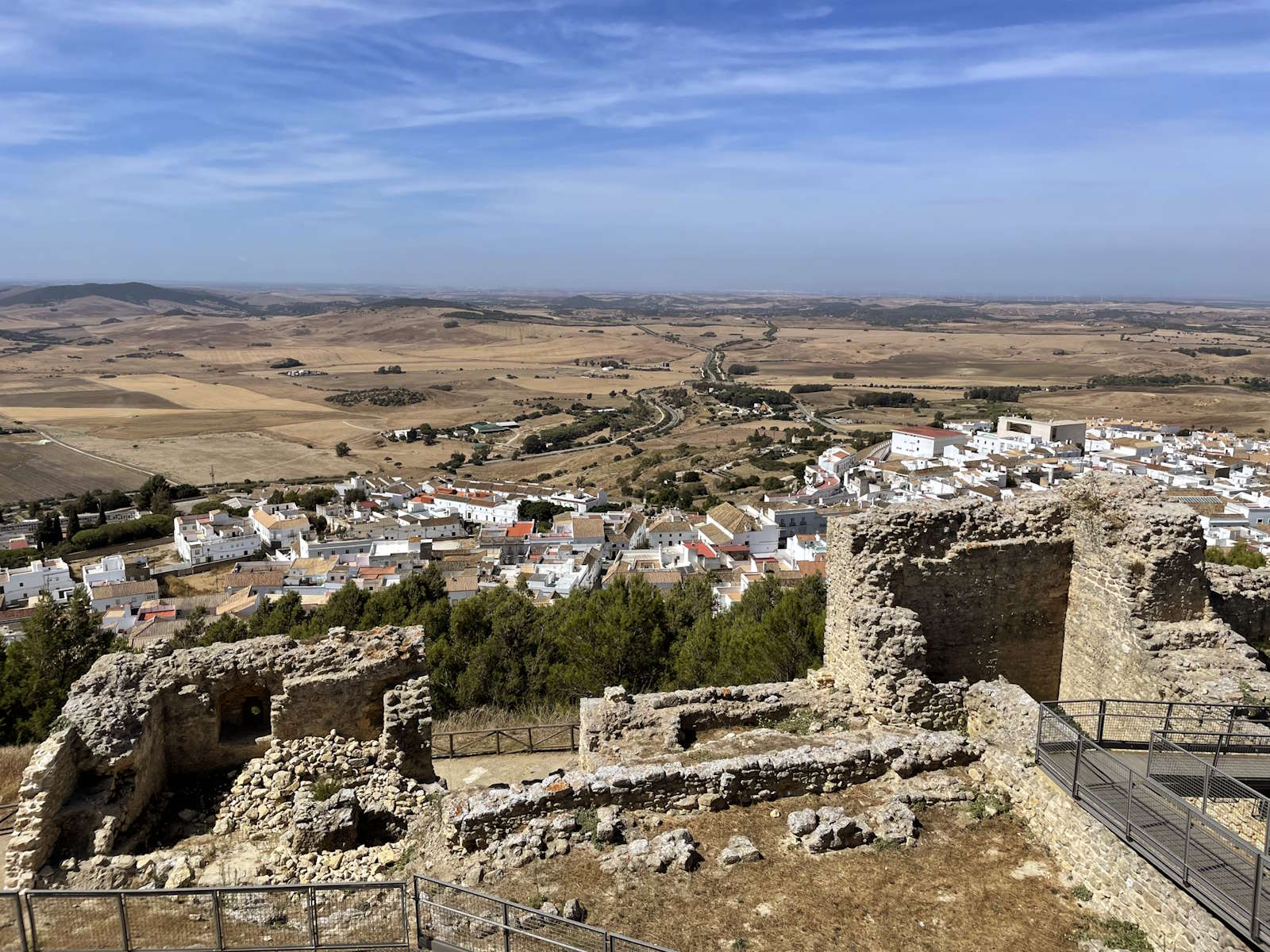
The Castle of Medina Sidonia, located at the highest point of the municipality, has been a strategic point for defense and territorial control since ancient times. The remains of three historical fortifications overlap there: a Roman military castellum, an Arab alcázar, and a medieval castle.
The Roman castellum, dating from the arrival of the Romans, is notable for its walled perimeter along towers and a moat carved into the rock. This castellum is considered the only example of its kind in Spain and remained in use throughout the High Empire, symbolizing the power of Rome.
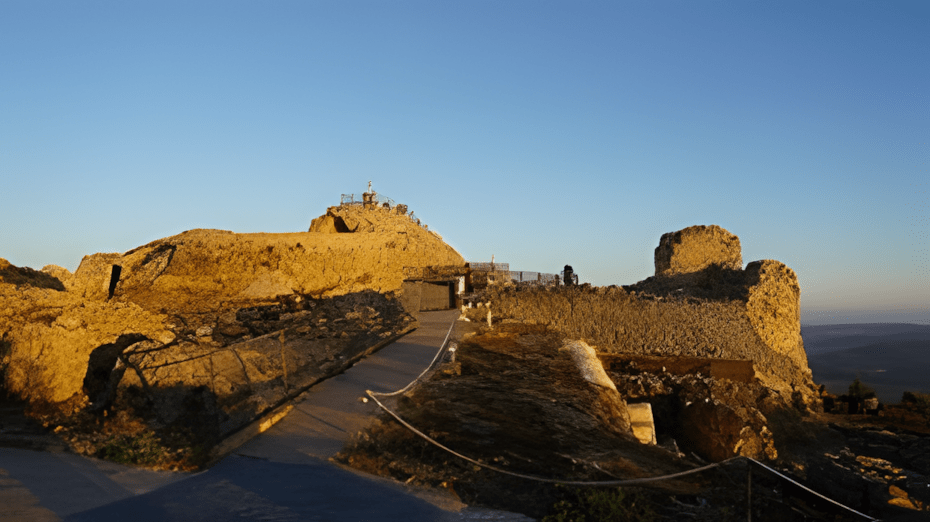
Later, during the 11th century, the Almoravids built a rammed-earth fortress on this same site. Then, in the mid-15th century, the second Duke of Medina Sidonia ordered the construction of a new medieval castle to improve the defenses. This fortress, consisting of walls of rubble masonry and rubblework, was added to the remains of the previous Muslim fortress, reflecting the evolution of defensive techniques and the strategic importance of the site throughout history.
OPENING HOURS:
Monday to Wednesday: 10:00 AM – 2:00 PM
Thursday to Sunday: 10:00 AM – 2:00 PM and 4:30 PM – 6:30 PM
Price: €2 – Free for children under 12
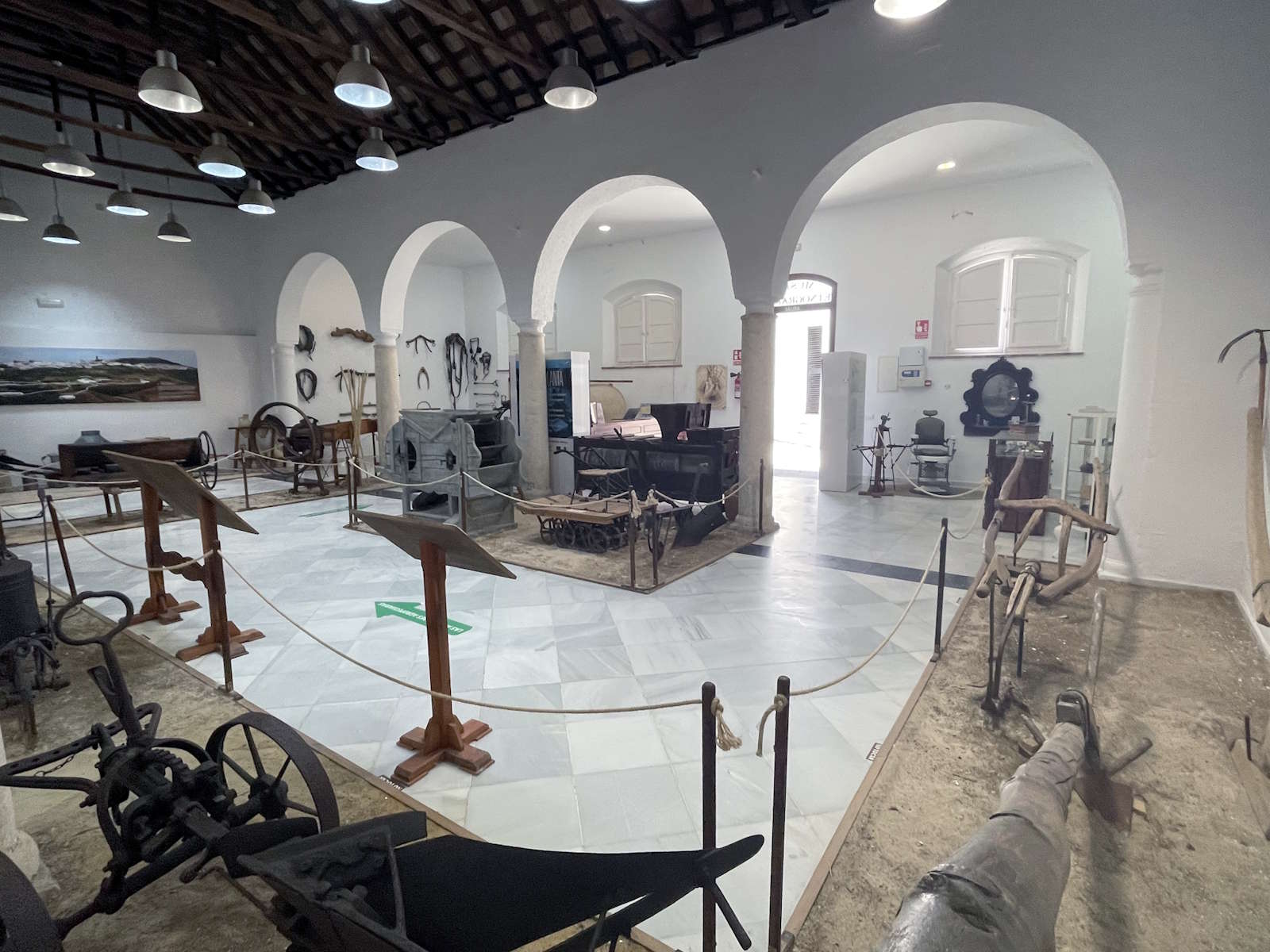
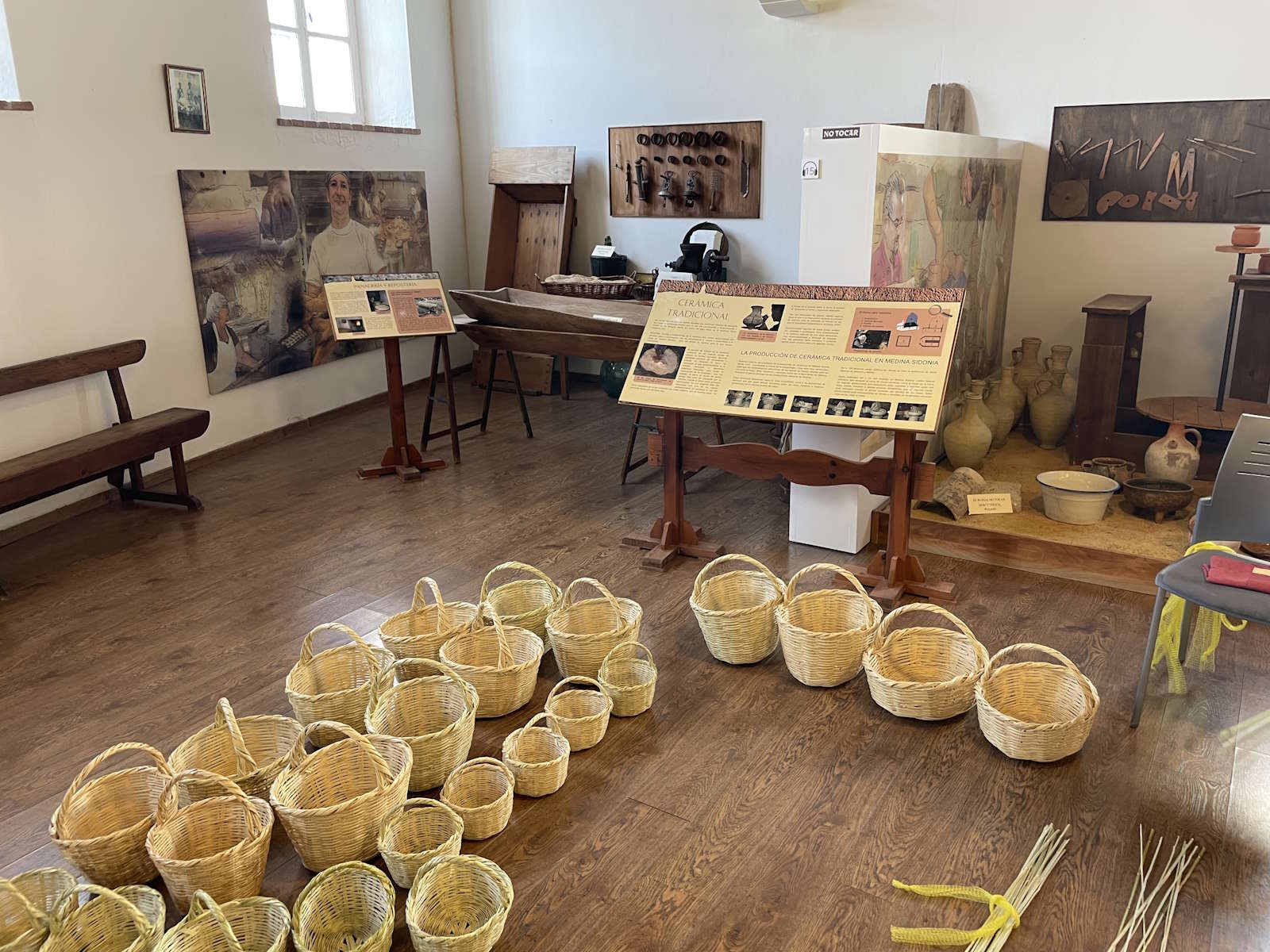
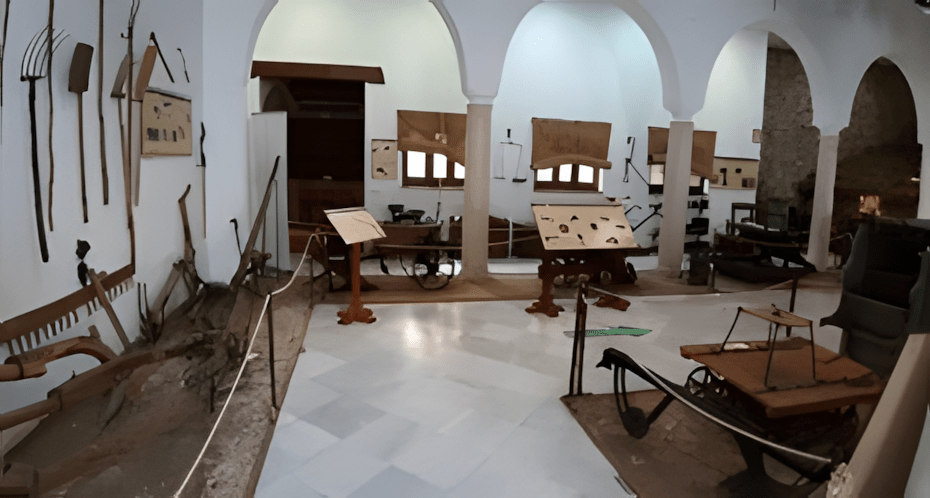
This museum is dedicated to local customs. There, you can see how and with what the citizens of Medina Sidonia lived around 120 years ago.
In the museum, you can see farming implements and crafts, observe the difference in the lives of landowners and servants, as well as discover tools from old professions such as shoemaking, baking, hut constructing, corn shelling and grape pressing. There, is also displayed the replica of a school ; these are just some of the wonders that can be seen in this museum.
LOCATION: Calle Altamirano
OPENING HOURS:
Thursday: 12 PM – 2 PM
Friday to Sunday: 10 AM – 2 PM
Price: €1.50 – Free for children under 12
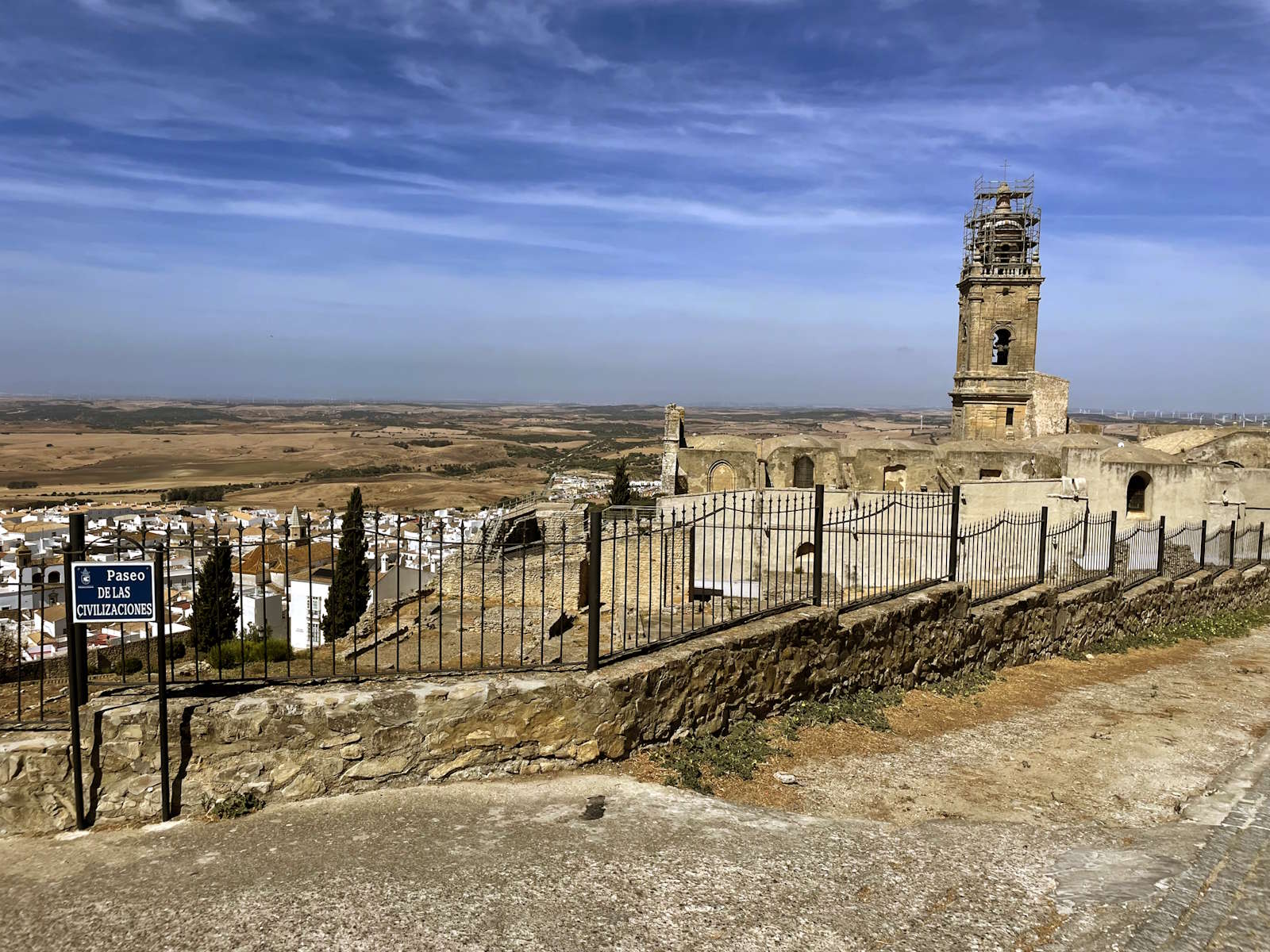
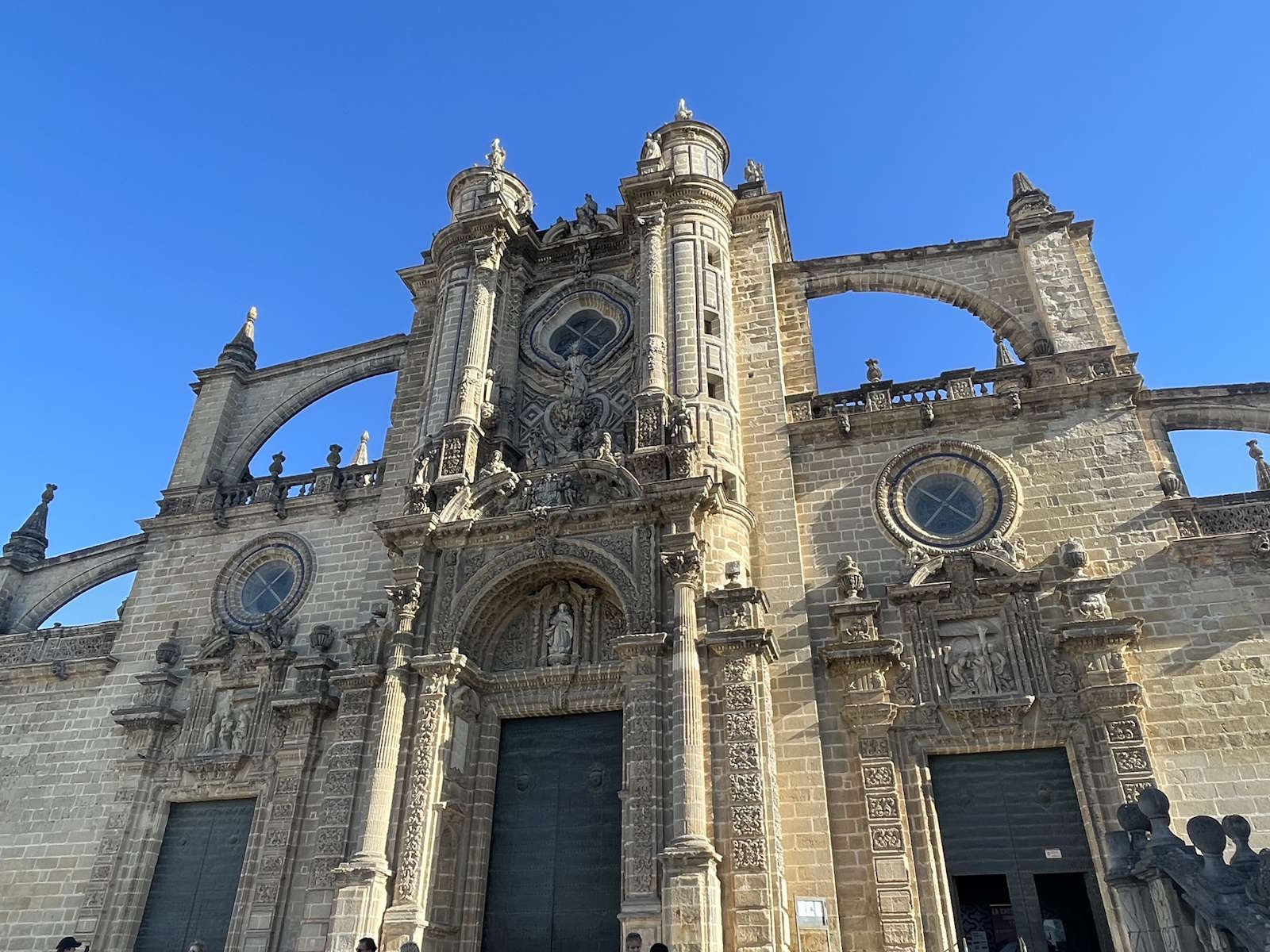
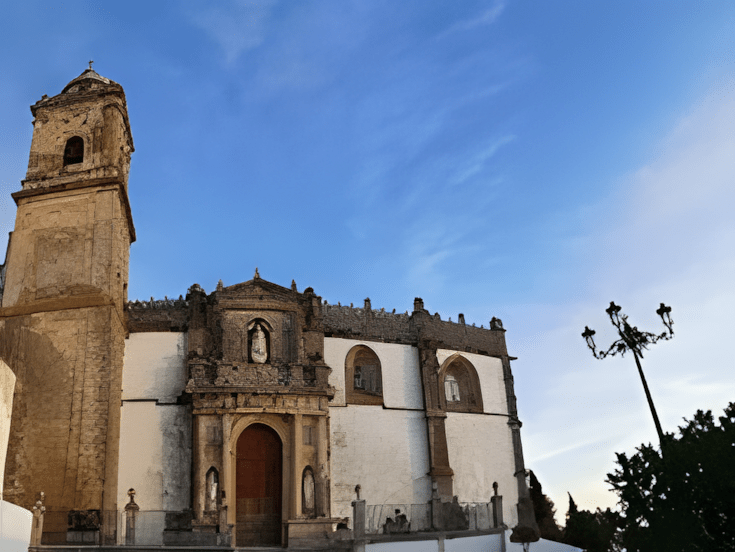
The Parish Church of Santa María la Coronada in Medina Sidonia is a 16th-century Gothic-Renaissance church, built on the site of a former mosque, and declared a Site of Cultural Interest. It features an Andalusian Gothic-Plateresque style, a Latin cross floor plan with three naves and three portals, the main one being inspired by the Herrerian style accompanied with 17th-century Italian statues, aswell as a cloister portal decorated with an alabaster Virgin donated by Alfonso X of Castile.
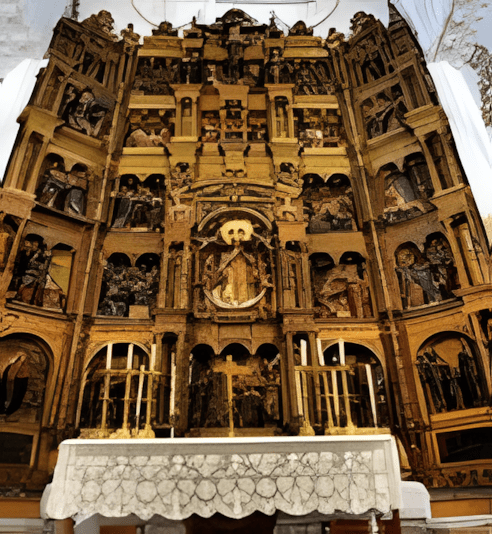
Inside you can admire master crafts including the Main Altarpiece, a plateresque and mannerist work from the 16th century made of 168 images that narrate 22 biblical stories; the carving of Christ of Forgiveness by Pedro Roldán; and the Corpus Christi Monstrance from 1575. In addition, the church houses various altars and the Epistle nave, which historically displayed the penitential garments of those condemned by the Inquisition until 1766.
OPENING HOURS:
Every day from 11 AM – 2 PM and 4 PM – 7 PM
Price: €2.50
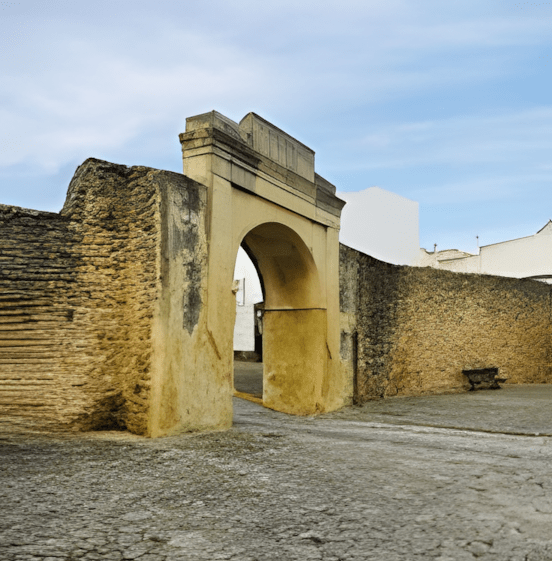
While taking a walk you can also find the 3 entrance gates to the old wall fortifications that are preserved:
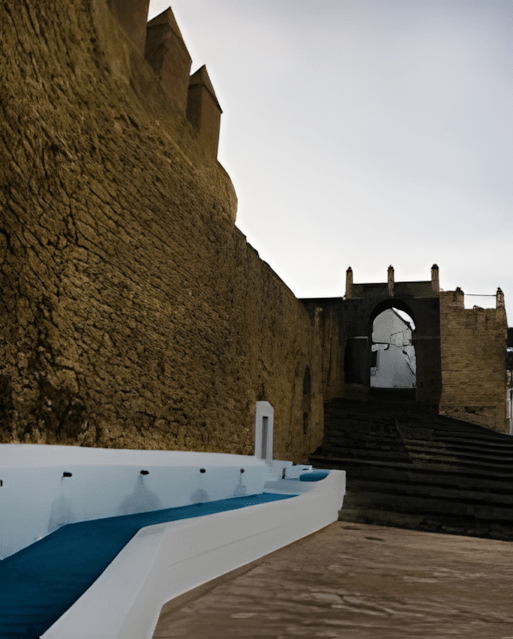
Arco de la Pastora: The Moorish-style gate dating from the 10th century, also known as the Puerta de la Salada, forms part of the best-preserved section of the city wall. Previously, it defended the northwestern entrance to the city. Nowadays, the gate is accessed via a wide staircase. Nearby, a fountain that emerges from the base of the wall can be observed.
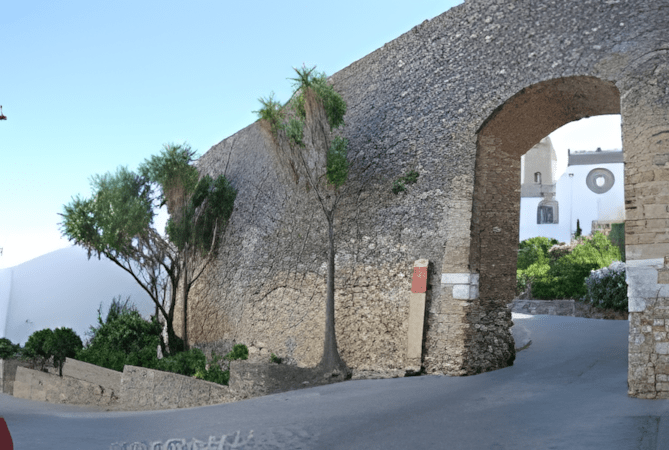
Bethlehem Arch: Located on Calle Cilla near the main church, this arch dates from the 14th and 15th centuries and is named after the altar located above it, which features an image of the Virgin Mary of Bethlehem. The gate provides access to the heart of the medieval town.
Puerta del Sol: The gate’s name originates from its direction, looking east, where the sun rises each morning. Historically, Puerta del Sol was the main entrance and exit from the orchards near the city and was located next to the former palace of the Dukes of Medina Sidonia, which no longer exists.